Value & Pricing
Review recent comparable sales, active competition, buyer demand, property condition, location, and timing before choosing a listing range. Pricing should support your goal, not simply chase the highest possible number.

Sell Your Atlanta Home
Selling a home in Atlanta is not just about putting it on the MLS. The best results usually come from making the right decisions before the listing goes live: pricing the property correctly, preparing it carefully, presenting it professionally, and negotiating from a stronger position.
Seller Strategy
Atlanta buyers compare homes quickly. They are looking at price, condition, photography, location, layout, updates, nearby amenities, commute patterns, and how your home compares with the alternatives currently on the market.
Shawn helps sellers think through those factors before launch so the listing is not simply visible, but positioned. That means reviewing the market, preparing the property, improving presentation, and creating a plan for showings, offers, inspection negotiations, and closing.
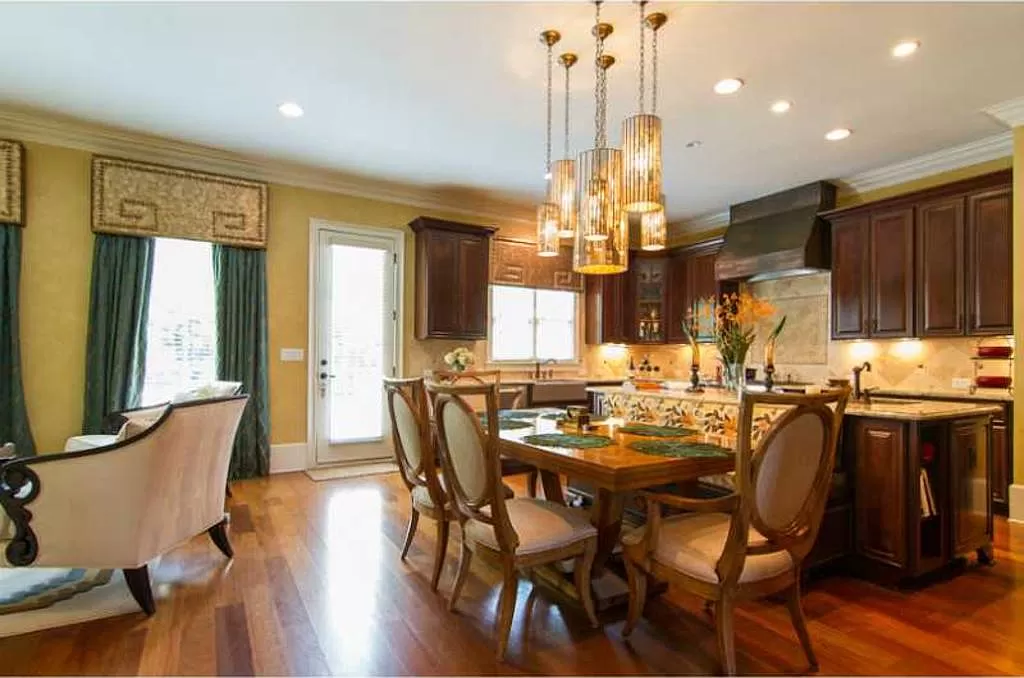
Seller Priorities
Every seller has a different combination of timing, property condition, financial goals, neighborhood competition, and personal priorities. These are the core decisions to make before going live.
Review recent comparable sales, active competition, buyer demand, property condition, location, and timing before choosing a listing range. Pricing should support your goal, not simply chase the highest possible number.
Decide which repairs, cleaning, staging, organization, photography prep, landscape items, and presentation details are worth addressing before launch.
Use stronger exposure, buyer-facing content, showing strategy, and careful negotiation to move from listing to accepted offer and from due diligence to closing.
Selling Process
When the sale is planned correctly, each step supports the next. The goal is to avoid launching too early, pricing without context, overlooking presentation issues, or reacting poorly during negotiation.
Discuss your property, timing, goals, financial expectations, current condition, and what you need from the sale.
Analyze local comparable sales, current competition, price trends, buyer demand, and neighborhood-specific positioning.
Identify what should be cleaned, repaired, edited, photographed, staged, or highlighted before buyers see the property.
Prepare the MLS listing, photography, copy, property details, buyer-facing messaging, and exposure strategy.
Monitor activity, evaluate showing feedback, compare response against expectations, and adjust strategy when needed.
Review offer terms, negotiate carefully, manage inspection and due diligence issues, and coordinate the path to closing.
Atlanta Market Positioning
Pricing and buyer demand can change block by block, especially across intown Atlanta, Buckhead, Midtown, Virginia-Highland, Inman Park, Old Fourth Ward, Druid Hills, Ansley Park, Grant Park, and Morningside. A home that looks expensive in one micro-market may look competitive in another.
Local context matters when deciding how to position the home, how much preparation is worthwhile, and how aggressively to negotiate once offers arrive.
Marketing Approach
Strong real estate marketing is not only about posting the listing. It is about making sure the home is visually clear, the value proposition is easy to understand, and the right buyers can quickly see why the property deserves attention.
Seller Questions
These are the kinds of issues to clarify early so the listing plan is built around your actual goals.
Your home value depends on recent comparable sales, current competition, condition, location, buyer demand, and timing. An online estimate can be a starting point, but a listing strategy should be based on local market review.
Not every repair or upgrade creates a return. The goal is to identify which items affect buyer confidence, photography, showing experience, or negotiation risk.
The right timing depends on your property type, neighborhood, inventory, buyer demand, and personal schedule. In many cases, preparation and pricing matter as much as seasonality.
After acceptance, the transaction typically moves into due diligence, inspection, appraisal, financing, title work, and closing coordination. Negotiation does not always end when the offer is signed.
Yes, but the strategy should be planned carefully around timing, financing, contingencies, temporary housing, and how much leverage you need in both transactions.
Start with your address, desired timing, approximate mortgage payoff if relevant, and what you want to accomplish. From there, Shawn can help evaluate value, preparation, and strategy.
Next Step
Start with your address, desired timing, and what you are trying to accomplish. Shawn can help you evaluate value, pricing, preparation, and next steps before you commit to listing.